
Pulse Dust Collector
Dust control equipment for cement, sand, additive feeding, mixer discharge and packing points in dry mortar factories.
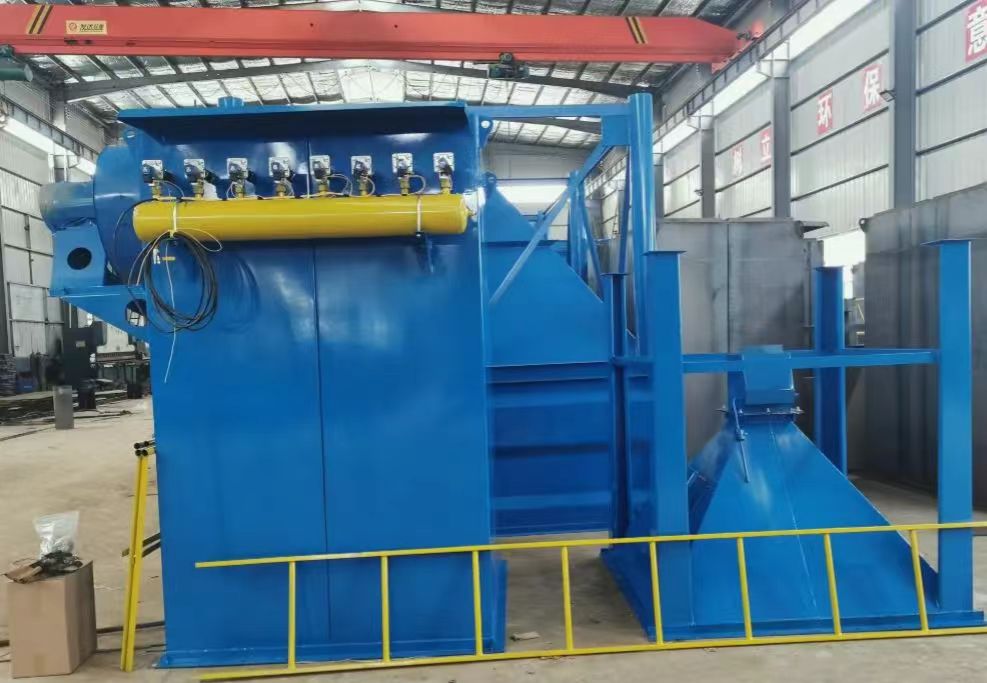
Dust Control Protects Workers, Equipment and Product Quality
Dry mortar production creates dust at feeding, weighing, mixing, discharge and packing points. A proper dust collection system improves workshop environment and reduces material loss.
Cleaner Feeding Points
Collects dust during cement, filler and additive feeding.
Packing Dust Reduction
Supports cleaner bag filling and reduces powder leakage around packing machine.
Equipment Protection
Reduces dust accumulation around motors, sensors and electrical cabinets.
Key Configuration Points
These points decide whether the solution fits your production target, raw materials and workshop condition.
Dust Source
Different points need different air volume and hood design.
Filter Area
Filter bag quantity and area should match dust volume and material type.
Cleaning Method
Pulse jet cleaning keeps filter bags working with stable resistance.
Discharge Method
Collected powder can return to process or be discharged separately depending on layout.
Working Process
The process can be adjusted according to layout, automation level and optional equipment.
Dust Capture
Dust is captured from feeding, packing or transfer points.
Filtration
Air passes through filter bags and powder is retained.
Pulse Cleaning
Compressed air pulse removes dust from filter bags.
Dust Discharge
Collected powder falls into hopper for return or disposal.
Product Photos & Selection Details
Dust collector selection should match powder type, dust point quantity, air volume and workshop layout.
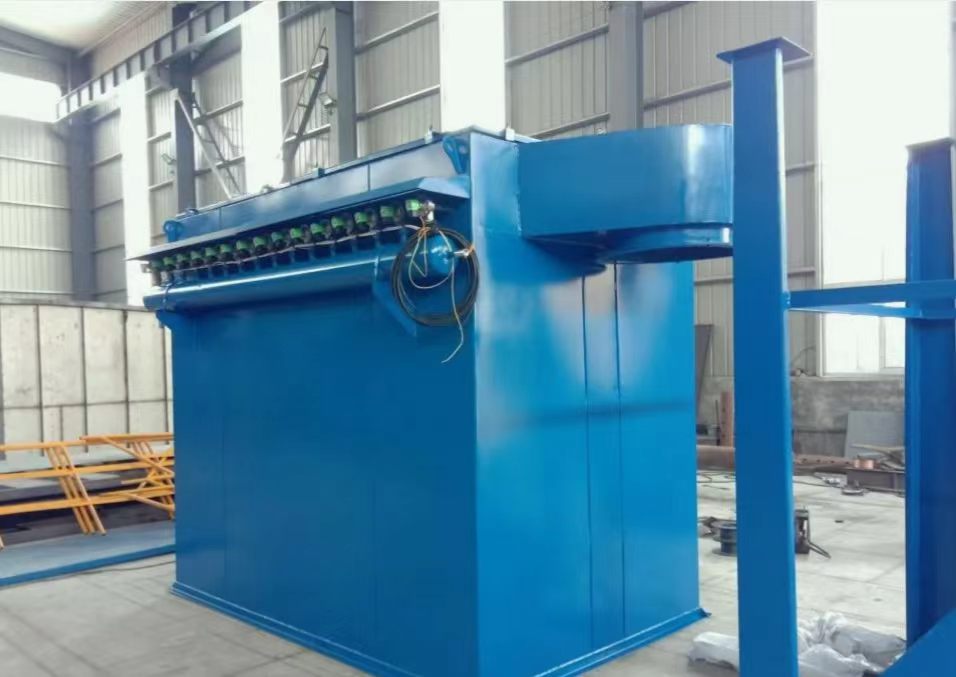
Main Reference
Pulse dust collector main view
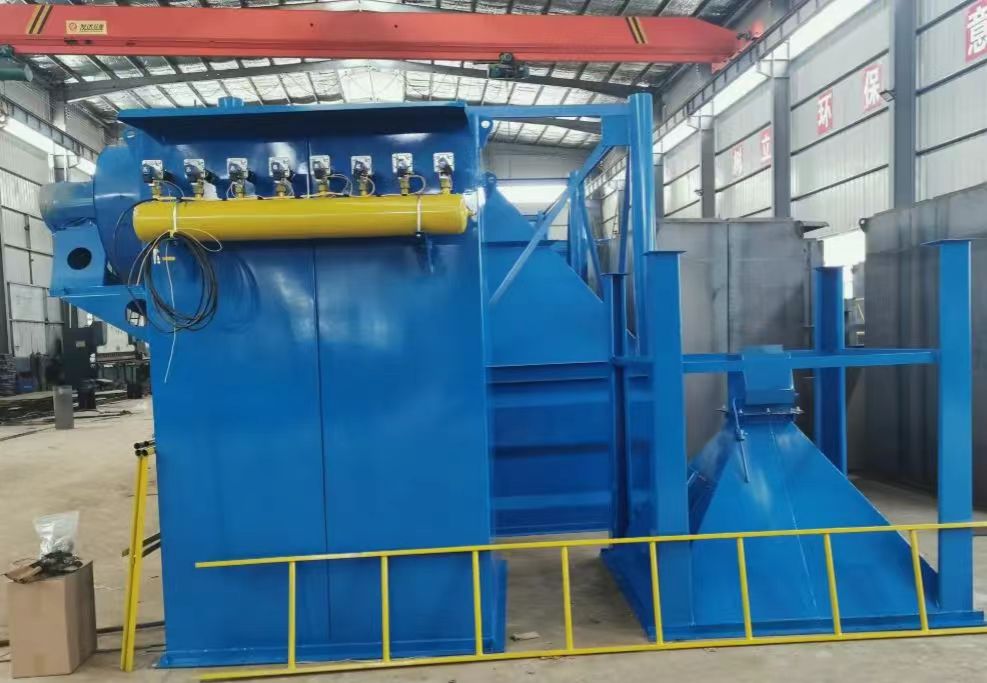
Detail / Site View
Dust collector detail
| Selection Item | What to Confirm | Why It Matters |
|---|---|---|
| Material and formula | Powder type, density, moisture, flowability and additive sensitivity. | Different materials require different structure, sealing and dust control. |
| Capacity target | Batch size, bags per hour, air volume or connection speed. | Capacity decides model size and whether auxiliary equipment is needed. |
| Connection points | Feeding height, discharge height, upstream and downstream machines. | Correct connection prevents bottlenecks after installation. |
| Control requirement | Standalone control, PLC signal, dust interface or safety interlock. | Controls should match the existing line or future expansion plan. |
These photos and selection points are for preliminary communication. Final layout, model and quotation should be confirmed according to your raw materials, workshop and target output.
Technical Reference
Reference parameters for preliminary model selection and quotation discussion.
| Model Direction | Filter Area | Air Volume Direction | Dust Point | Power Direction | Typical Use |
|---|---|---|---|---|---|
| DMC-18 | Small | Local point | Manual feeding / small packing | 1.5-3 kW | Starter line |
| DMC-36 | Medium | Multiple points | Mixer discharge / packing | 3-5.5 kW | Standard line |
| DMC-48 | Large | Higher dust load | Silo / batching / packing | 5.5-7.5 kW | Automatic line |
| Custom | By layout | By air volume | Whole workshop system | By design | Project solution |
Reference configuration only. Final parameters should be confirmed by raw material testing, plant layout and contract configuration.
Before We Recommend a Model
Please provide these details so the proposal is not a generic quotation.
- Dust source points and equipment layout.
- Material type: cement, sand, filler, additives or mixed powder.
- Required air volume or workshop dust requirement.
- Available compressed air and power supply.
- Whether collected powder should return to production process.
FAQ
Common questions before selecting this solution.
Where should dust collectors be installed?
Common points include feeding station, silo top, mixer discharge, packing machine and transfer points.
Can one dust collector serve multiple points?
Yes, but air volume, duct length and pressure loss should be calculated to avoid weak suction.
Does dust collection reduce material waste?
It can reduce visible dust loss and improve cleanliness, but the return method depends on material and process design.
Can this equipment connect with my existing production line?
Usually yes. Please send the feeding height, discharge height, capacity target and control requirement so NEO can check the connection direction before quotation.
Need cleaner dry mortar production and bagging points?
Send your dust source points and layout. NEO will suggest local or full-line dust collection direction for feeding, packing and transfer points.