
RDP Redispersible Polymer Powder
Polymer powder additive for waterproof mortar, flexible putty, high-performance tile adhesive and other cement-based dry mortar products that need stronger bonding, flexibility and durability.
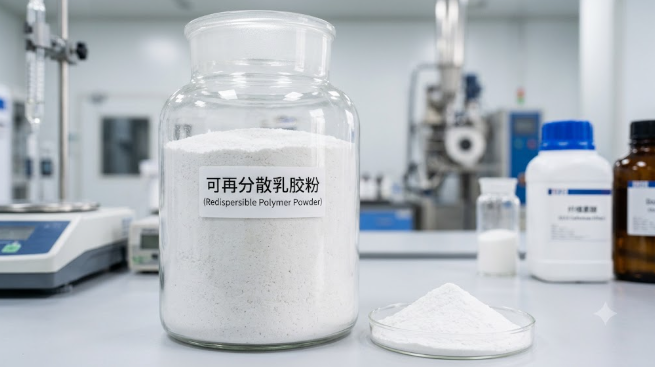
What RDP Helps Improve
RDP is used when dry mortar formulas need stronger water-treated adhesion, better flexibility, improved crack resistance and better heat or freeze-thaw durability. It is widely discussed for polymer-modified mortar systems.
Adhesion
Helps improve water-treated bonding strength in tile adhesive and waterproof mortar direction.
Flexibility
Supports crack resistance and improves performance where the mortar system needs better deformability.
Durability
Useful where heat resistance and freeze-thaw stability matter in polymer-modified mortar products.
Typical Product Directions
NEO can discuss grade choice according to the final product system instead of supplying only a generic polymer name.
Main Product Uses
- Waterproof mortar
- Flexible putty
- High-performance tile adhesive
- Polymer-modified repair mortar
Matching Notes
- Usually checked together with cellulose ether for water retention and workability.
- Needs compatibility testing with cement, lime or gypsum systems.
- Performance target may include adhesion, flexibility, crack resistance or durability.
Product Photos & Selection Details
RDP selection should match bonding strength, flexibility, water resistance and target dry mortar application.
Main Reference
RDP redispersible polymer powder package
| Selection Item | What to Confirm | Why It Matters |
|---|---|---|
| Mortar application | Tile adhesive, putty, self-leveling, repair mortar, waterproof mortar or plaster. | Each product needs a different performance balance. |
| Target performance | Water retention, bonding, flow, open time, anti-sag, defoaming or setting control. | The target function decides grade direction and dosage range. |
| Formula background | Cement, sand, filler, other additives and local temperature. | Compatibility must be checked before confirming a recommendation. |
| Test and documents | Sample plan, TDS, MSDS, dosage trial and packaging requirement. | Lab or site testing reduces risk before bulk purchase. |
These photos and selection points are for preliminary communication. Final model, layout and quotation should be confirmed according to your raw materials, workshop and target output.
Technical Reference for 7180
The values below are useful for preliminary discussion. Final documents and test confirmation should still be checked before bulk ordering.
| Item | Reference Value | Notes |
|---|---|---|
| Product description | Spray-dried polymer powder from styrene and acrylate copolymer emulsion | Free-flowing white powder direction |
| Bulk density | 350 – 500 g/L | Reference packing density |
| Non-volatile content | >= 98% | Reference solids level |
| Ash content | 11.0% – 13.0% | Reference residue range |
| Average particle size | D50 <= 100 um | Reference particle size direction |
| pH value | 5.0 – 9.0 at 25 deg C | Reference test range |
Reference data only. Final grade, certificate set and application dosage should be confirmed by supplier documents and sample testing.
What We Need Before Recommending a Grade
These points help NEO recommend whether the polymer powder direction really matches your target mortar system.
- Main product type: tile adhesive, waterproof mortar, flexible putty or repair mortar.
- Target performance: water-treated adhesion, flexibility, crack resistance or freeze-thaw durability.
- Binder system details and whether cellulose ether is already fixed.
- Need for sample test, TDS and SDS documentation.
- Target local standard or project requirement if available.
FAQ
Common questions before buying RDP for dry mortar production.
Is this RDP suitable for waterproof mortar?
Yes, waterproof mortar is one of the common application directions, but the actual grade and dosage should still be confirmed by formula testing.
Can RDP improve flexibility and crack resistance together?
Yes, that is one of the main reasons polymer powder is used in modified mortar systems, especially where adhesion and flexibility both matter.
Can NEO support formula-side discussion before ordering?
Yes. NEO can discuss target performance, current issues and document needs before you decide on the purchasing direction.
Can NEO recommend the dosage directly?
NEO can provide a reference dosage range, but final dosage should be confirmed by formula testing with your cement, filler, sand and other additives.
Need better bonding or flexibility?
Send your target mortar type and performance goal. NEO will suggest an RDP direction and sample testing path.