
Double Roller Sand Maker for Mortar Aggregate Crushing
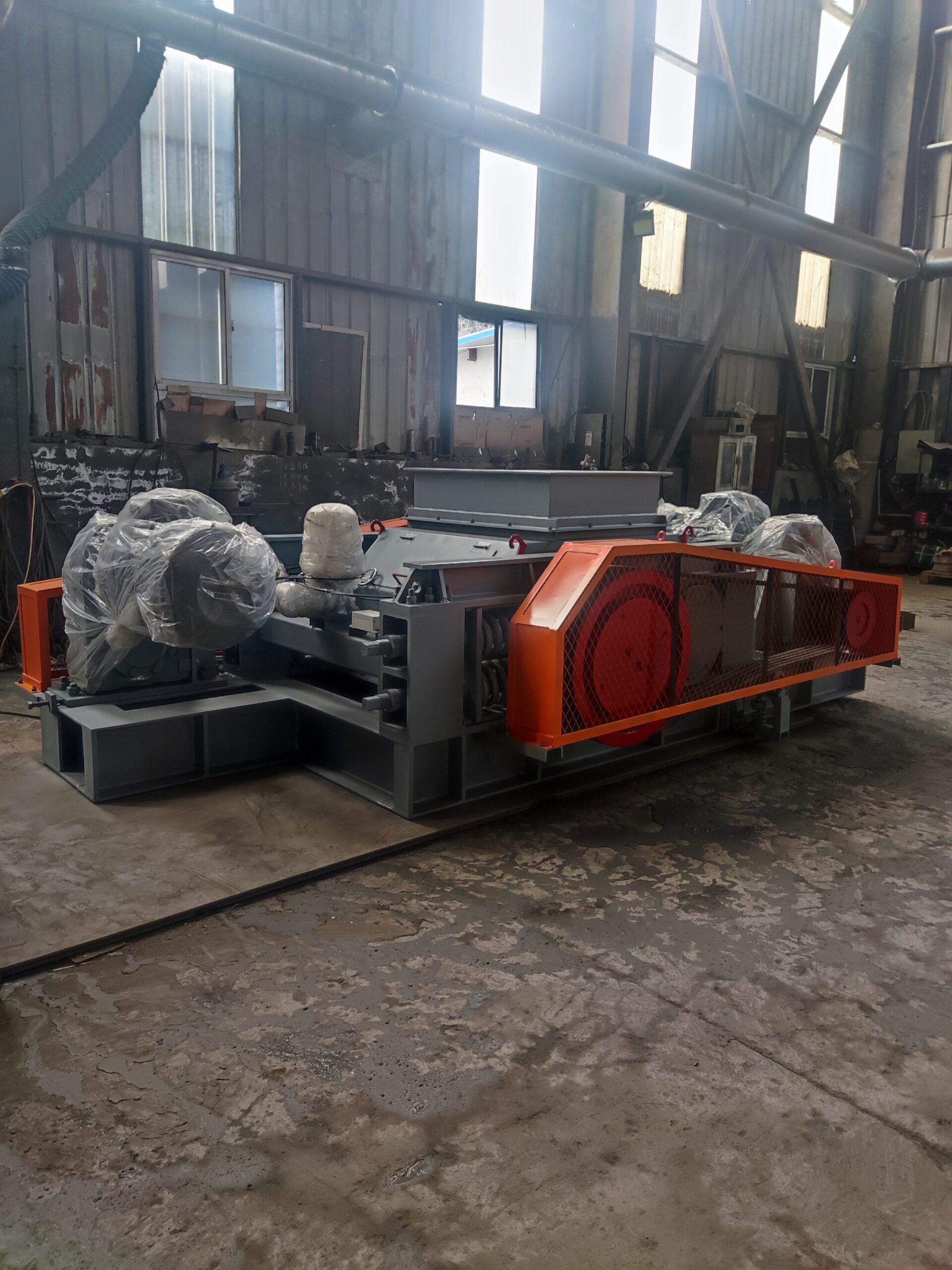
Double roller sand maker for limestone, clinker and other medium-soft raw materials used in dry mortar aggregate preparation. This machine fits customers who want a more economical crushing route before screening and do not need the higher shaping level of a VSI system.
When a Double Roller Makes Sense
Not every mortar aggregate project needs a VSI. For many plants using limestone or similar material, the double roller route is attractive because the structure is straightforward, the investment is easier to control and the output size can be kept within a practical range before screening.
Budget-Sensitive Projects
The roller route is often easier to accept for smaller factories building a practical sand preparation section before the mortar line.
Simpler Maintenance
The working structure is easier for operators to understand and is often preferred where routine maintenance capability matters.
Controlled Crushing Stage
It works well as a crushing stage before screening when the customer needs size reduction first and final grading later.
Typical Material and System Position
NEO usually discusses the roller machine together with screening and return material flow, not as a fully isolated machine choice.
Common Material Direction
- Limestone and clinker.
- Medium-soft stone where abrasive wear is manageable.
- Customers who want an economical manufactured sand route.
- Projects where final grading will still be checked by screen.
Typical Matching Scope
- Feed hopper and conveyor before the crusher.
- Vibrating screen after crushing to control final size.
- Return conveyor for oversized material if needed.
- Dust collection around feed and discharge points.
- Storage or transfer section before drying or batching.
Reference Parameter Table
The models below come from your current parameter sheet and are enough for the first selection round before deeper process design.
| Model | Roller Diameter (mm) | Roller Length (mm) | Max Feed Size (mm) | Discharging Size (mm) | Capacity (t/h) | Rotating Speed (r/min) | Weight (t) | Overall Dimension (mm) | Power (kW) |
|---|---|---|---|---|---|---|---|---|---|
| 2PG400x250 | 400 | 250 | <=25 | 2-8 | 5-10 | 180 | 1.8 | 1215x834x830 | 2×5.5 |
| 2PG610x400 | 610 | 400 | <=40 | 2-25 | 13-40 | 75 | 4.5 | 3600x1590x1170 | 2×15 |
| 2PG600x750 | 600 | 750 | <=40 | 2-25 | 60-125 | 65 | 6.5 | 3560x1910x1005 | 2×22 |
| 2PG900x900 | 900 | 900 | <=50 | 2-30 | 70-150 | 41 | 15 | 5665x2530x1646 | 2×37 |
| 2PG900x1200 | 900 | 1200 | <=50 | 2-30 | 90-210 | 41 | 18 | 5665x2830x1646 | 2×45 |
Reference data only. Final model choice still depends on raw material hardness, feed size, target final grading and whether the line includes return screening.
What We Need Before Recommending a Model
The key question is not only output. It is whether the material and process route match a roller crushing method.
- Raw material name, hardness and abrasiveness.
- Feed size and required finished particle size after screening.
- Target tons per hour and expected working hours per day.
- Whether a vibrating screen and return conveyor are already planned.
- Your balance between lower initial investment and final sand shaping quality.
Product Photos & Selection Details
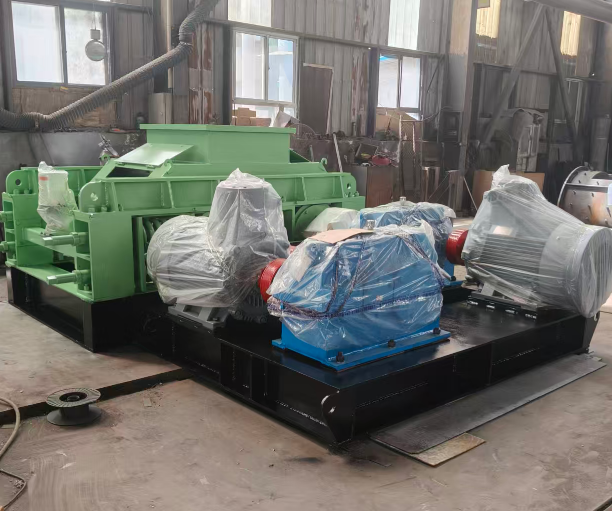
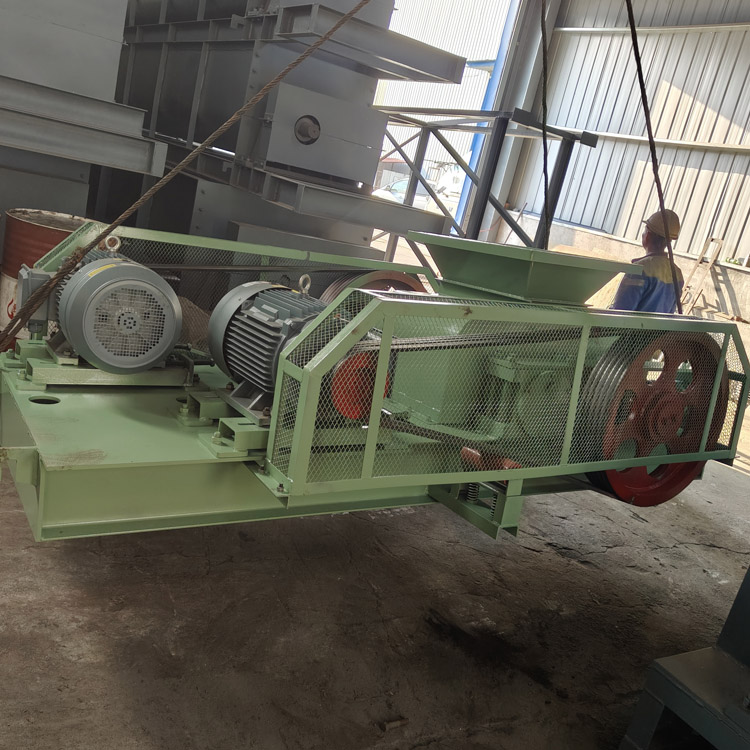
Use these references to match feed size, discharge size, capacity and wear-part expectations before model selection.
Main Reference
Double roller sand maker main view
Detail / Site View
Roller crusher detail
| Selection Item | What to Confirm | Why It Matters |
|---|---|---|
| Raw material condition | Stone or sand type, feed size, moisture and hardness. | Raw material decides dryer, crusher and wear-part configuration. |
| Final sand target | Moisture, particle size, grading and shape requirement for mortar use. | Mortar-grade sand needs stable moisture and suitable grading. |
| Capacity target | Tons per hour, daily output and operating hours. | Capacity affects main machine model, burner, screen and conveyors. |
| System matching | Dust collector, screening, storage silo and link to mortar plant. | Aggregate treatment should connect smoothly with the mixing line. |
These photos and selection points are for preliminary communication. Final layout, model and quotation should be confirmed according to your raw materials, workshop and target output.
FAQ
Common questions before choosing a double roller sand maker.
Is a double roller suitable for granite or very hard rock?
Usually it is not the first choice for very hard and abrasive material. In those cases, NEO often compares the roller route with VSI shaping instead.
Do I still need a vibrating screen after the roller crusher?
In most mortar aggregate projects, yes. Screening helps control final grading and separates oversized material for return or reprocessing.
Can this machine feed a mortar line directly?
It normally works as one step in the aggregate preparation process. The full route may still include screening, drying, dust collection and storage before batching.
Can NEO match this machine with my mortar sand requirement?
Yes. Please provide raw material, feed size, moisture, target grading and output. NEO can suggest a dryer, crusher, screen and storage combination for mortar-grade sand.
Need an economical crushing option before screening?
Send raw material photos, hardness and target capacity. NEO will help judge whether the double roller route fits your mortar project.