
Dry Mortar Mixer Machine
Twin-shaft non-gravity mixer for tile adhesive, wall putty, plaster mortar, repair mortar and other dry powder materials.
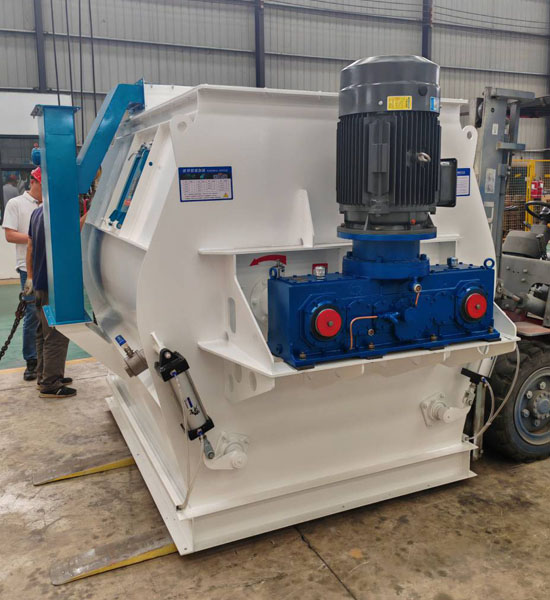
The Mixer Decides Batch Uniformity
For specialty mortar, the mixer is not only a mechanical box. It directly affects additive dispersion, product stability, batch time and customer complaints.
Uniform Powder Dispersion
Dual paddle rotors help disperse cement, sand, filler and additives evenly within a short cycle.
Formula Flexibility
The mixer can support tile adhesive, putty, plaster, waterproof mortar and repair mortar production.
Easy Line Integration
It can be supplied as a standalone machine or connected with automatic batching and packing systems.
Key Configuration Points
NEO checks the working condition before recommending the machine size and connection method.
Mixer Volume
Selected by batch size, target tons per hour and formula density.
Paddle Structure
Configured for dry powder mixing and wear resistance according to material properties.
Discharge Design
Matched with packing machine, buffer hopper or screw conveyor.
Control Interface
Can connect with PLC, recipe management and automatic production line control.
Working Process
The equipment can work independently or connect with a complete dry mortar production line.
Feeding
Materials enter from manual feeding, screw conveyor or automatic weighing system.
Mixing
Paddles create fast cross-flow movement for uniform dry blending.
Discharge
Finished powder is discharged to hopper, packing machine or next process.
Cleaning
Access doors and sealing design support maintenance and formula changeover.
Product Photos & Selection Details
Use these equipment photos and selection points to confirm mixer volume, powder flowability and connection with feeding or packing systems.
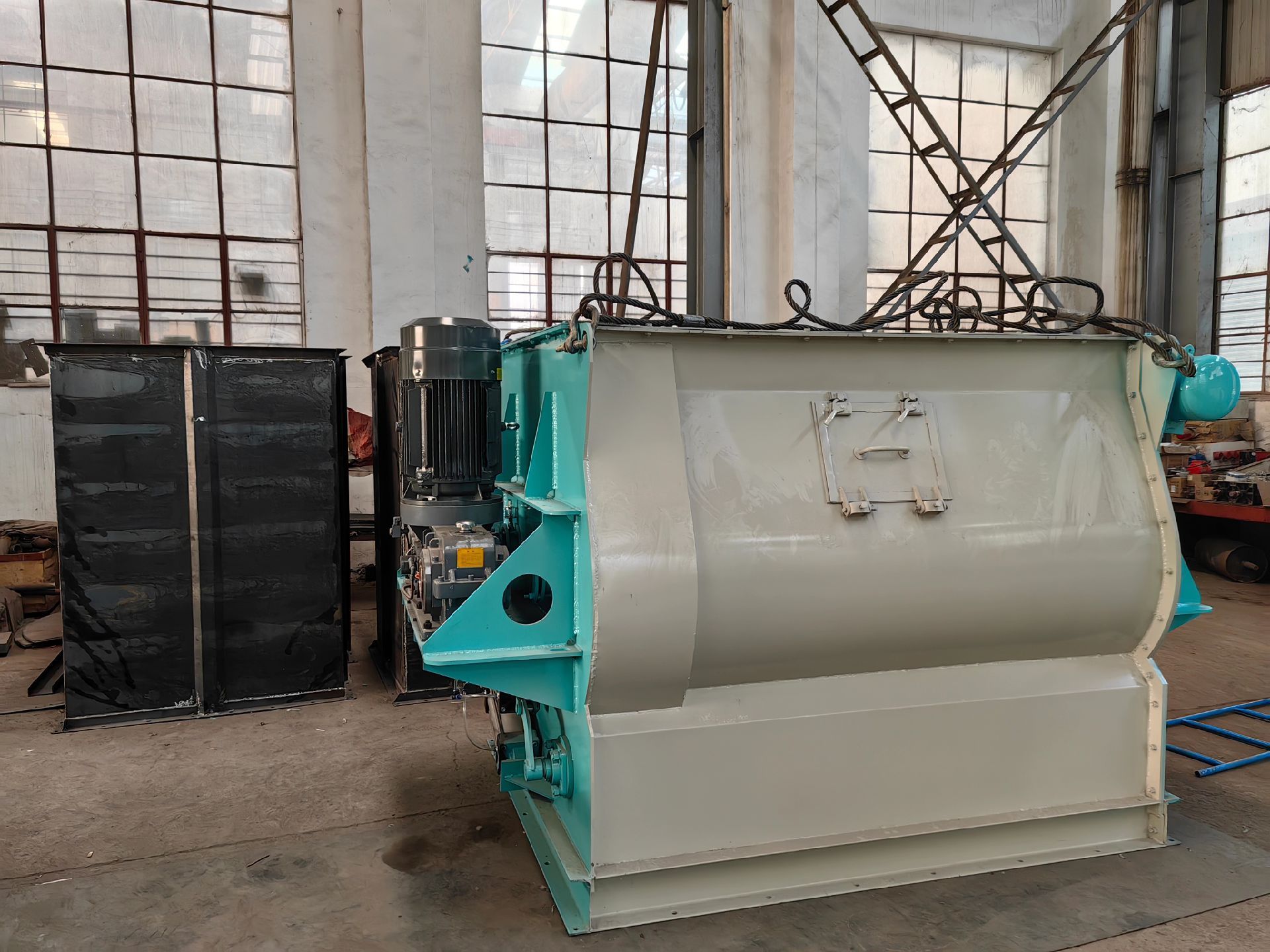
Main Reference
Dry mortar mixer main view
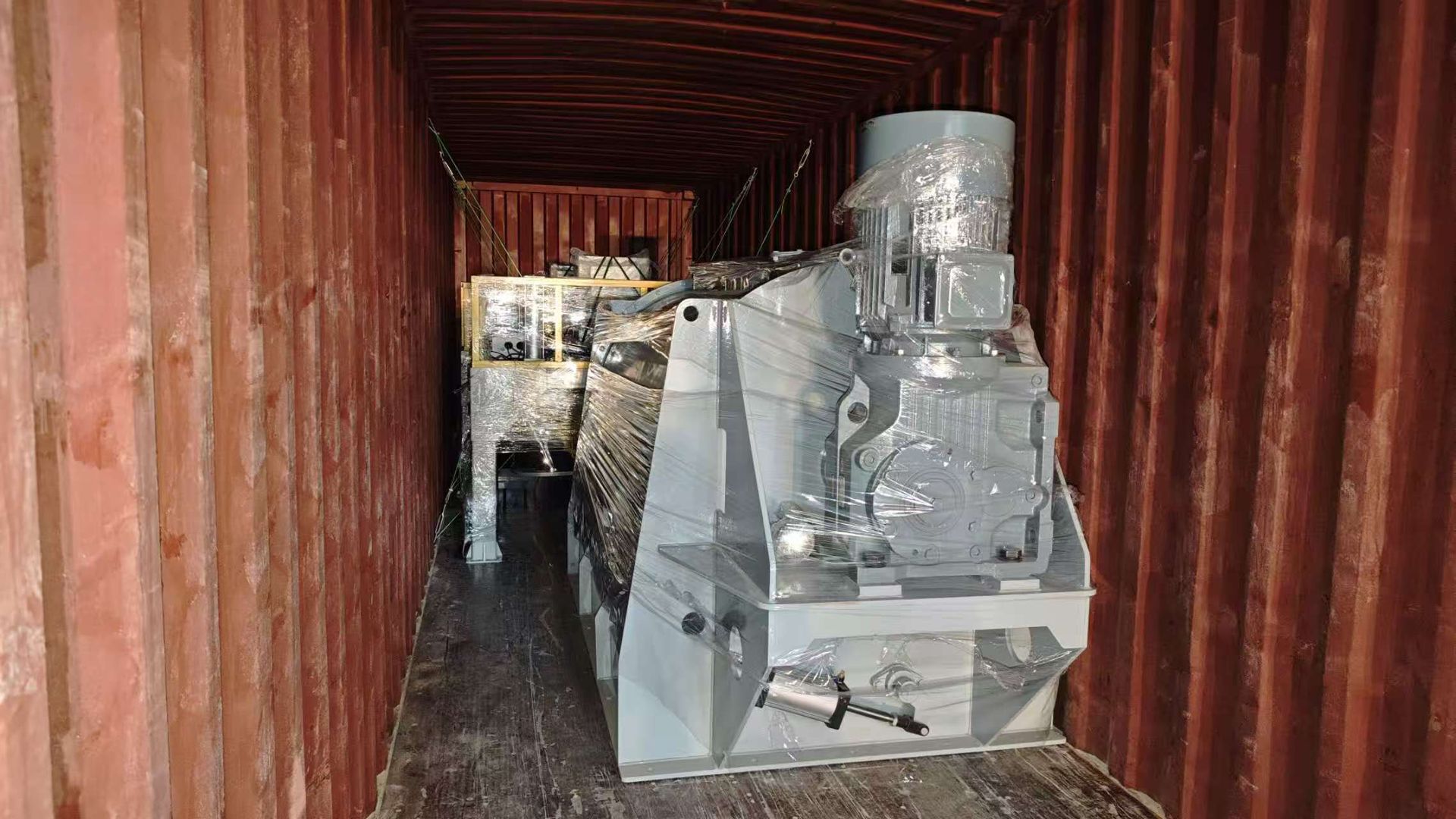
Detail / Site View
Mixer detail view
| Selection Item | What to Confirm | Why It Matters |
|---|---|---|
| Material and formula | Powder type, density, moisture, flowability and additive sensitivity. | Different materials require different structure, sealing and dust control. |
| Capacity target | Batch size, bags per hour, air volume or connection speed. | Capacity decides model size and whether auxiliary equipment is needed. |
| Connection points | Feeding height, discharge height, upstream and downstream machines. | Correct connection prevents bottlenecks after installation. |
| Control requirement | Standalone control, PLC signal, dust interface or safety interlock. | Controls should match the existing line or future expansion plan. |
These photos and selection points are for preliminary communication. Final layout, model and quotation should be confirmed according to your raw materials, workshop and target output.
Technical Reference
Final dimensions and power should be confirmed by layout and material testing.
| Reference Model | Working Volume | Batch Capacity | Mixing Speed | Motor Power | Typical Application |
|---|---|---|---|---|---|
| NEO-MX1000 | 0.6-1.0 m³ | 600-1000 kg/batch | 45-55 r/min | 11-18.5 kW | Starter tile adhesive / putty line |
| NEO-MX2000 | 1.2-2.0 m³ | 1200-2000 kg/batch | 36-51 r/min | 18.5-30 kW | Standard dry mortar line |
| NEO-MX3000 | 1.8-3.0 m³ | 1800-3000 kg/batch | 30-40 r/min | 22-37 kW | Tile adhesive / plaster mortar |
| NEO-MX4000 | 2.4-4.0 m³ | 2400-4000 kg/batch | 29-36 r/min | 30-45 kW | Automatic specialty mortar line |
| NEO-MX6000 | 3.6-6.0 m³ | 3600-6000 kg/batch | 25-32 r/min | 45-75 kW | Large dry mortar plant |
Reference configuration only. Final mixer size, power and dimensions should be confirmed by material density, formula, batch cycle and line layout before contract signing.
Before We Recommend a Model
Please send these details so the quotation is based on your real factory condition.
- Target product and formula type.
- Required tons per hour or batch capacity.
- Bulk density and particle size of materials.
- Current equipment layout and inlet/outlet height.
- Whether the mixer connects with automatic weighing or packing.
FAQ
Common questions before buying standalone mortar equipment.
Can this mixer be used for tile adhesive and wall putty?
Yes. The mixer can handle multiple dry mortar products, but cleaning process and formula changeover should be considered.
How do I choose mixer size?
Mixer size depends on target output, batch cycle, material density and the speed of upstream weighing and downstream packing.
Can you provide only the mixer?
Yes. NEO can supply standalone mixer equipment or integrate it into a complete dry mortar line.
Can this equipment connect with my existing production line?
Usually yes. Please send the feeding height, discharge height, capacity target and control requirement so NEO can check the connection direction before quotation.
Need to replace or add a mixer?
Send your material type, capacity and current line photos. NEO will suggest a practical mixer size and connection plan.